Ready to Ride the Market Research Trends in 2026?
As we move deeper into 2026, the landscape of market research is evolving faster than ever before. What worked a few years ago is now outdated, and businesses that fail to adapt risk losing ground to competitors that embrace innovation.
Whether you’re a seasoned research professional, a business leader, or a marketer looking to stay ahead, understanding the emerging trends in market research is critical for success. From artificial intelligence and real-time analytics to deeper customer empathy and ethical data practices, here's everything you need to know to navigate the trends that will shape 2026 and beyond.
Why 2026 Is a Pivotal Year for Market Research
Market research no longer revolves around simple surveys and focus groups. Today’s business environment demands speed, accuracy, depth, and adaptability. Globalization, digital transformation, and the sheer scale of consumer data have made traditional methods less efficient. In 2026, organizations must adopt smarter, data-driven processes that enable rapid and meaningful insights.
"The key differentiator? Companies that combine human intuition with advanced technologies will gain deeper understanding and stronger foresight into market shifts."
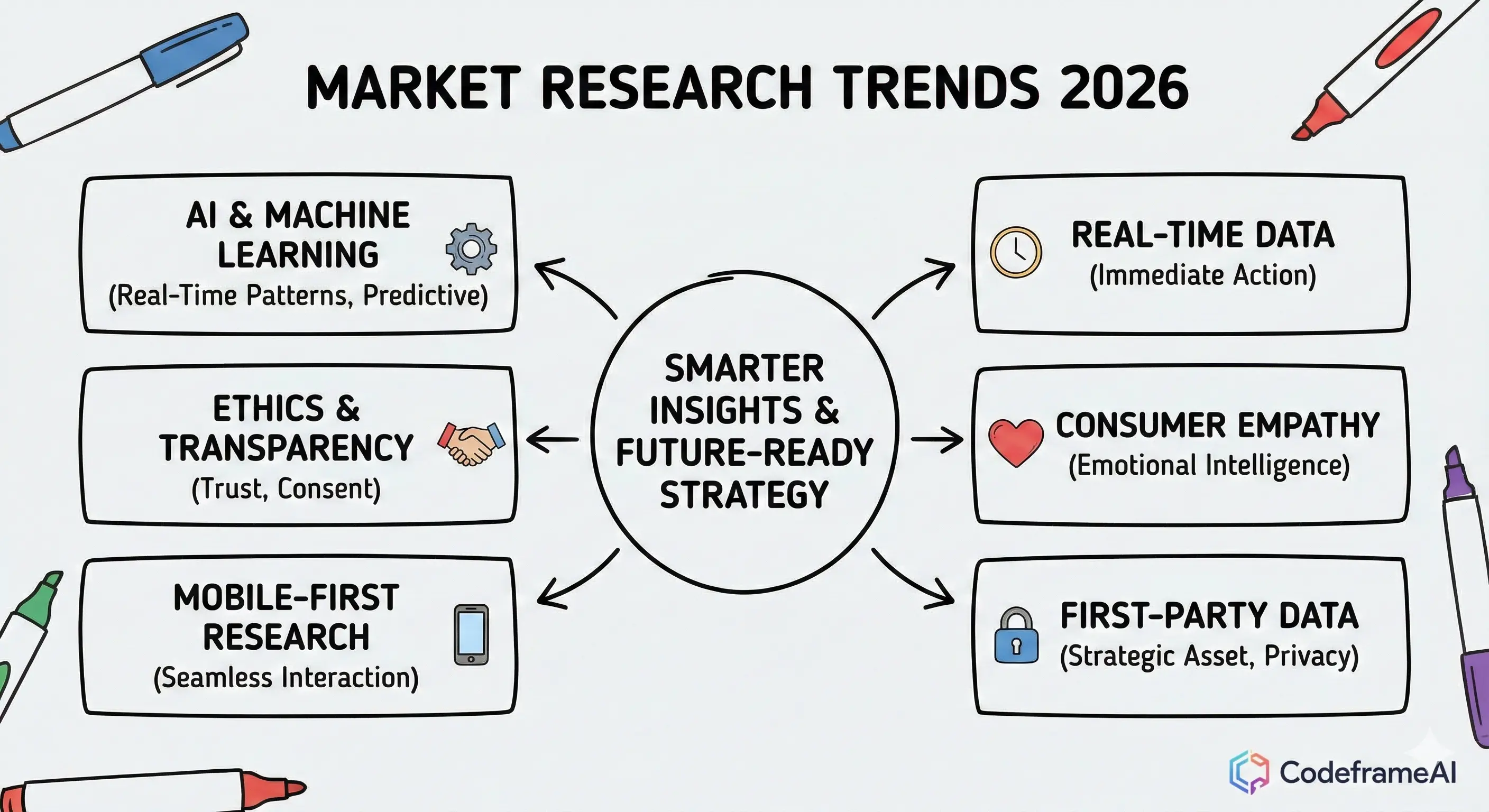
1. AI and Machine Learning Will Be Core to Every Strategy
Artificial intelligence (AI) and machine learning are no longer emerging technologies — they are standard tools in the market research toolkit. In 2026:
- AI will handle complex data patterns in real time.
- Sentiment analysis will become more nuanced through natural language understanding.
- Predictive models will help forecast future trends with increasing precision.
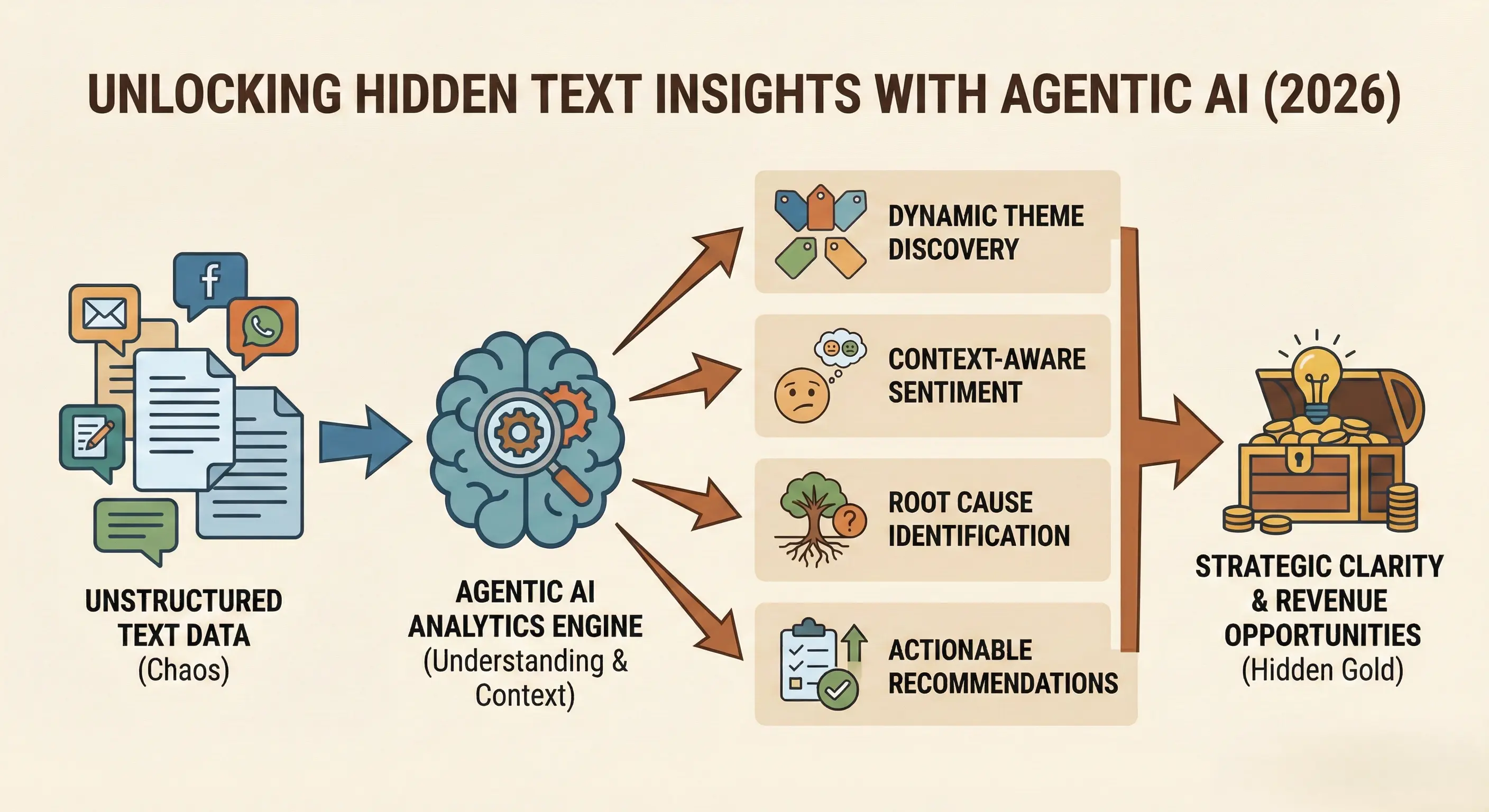
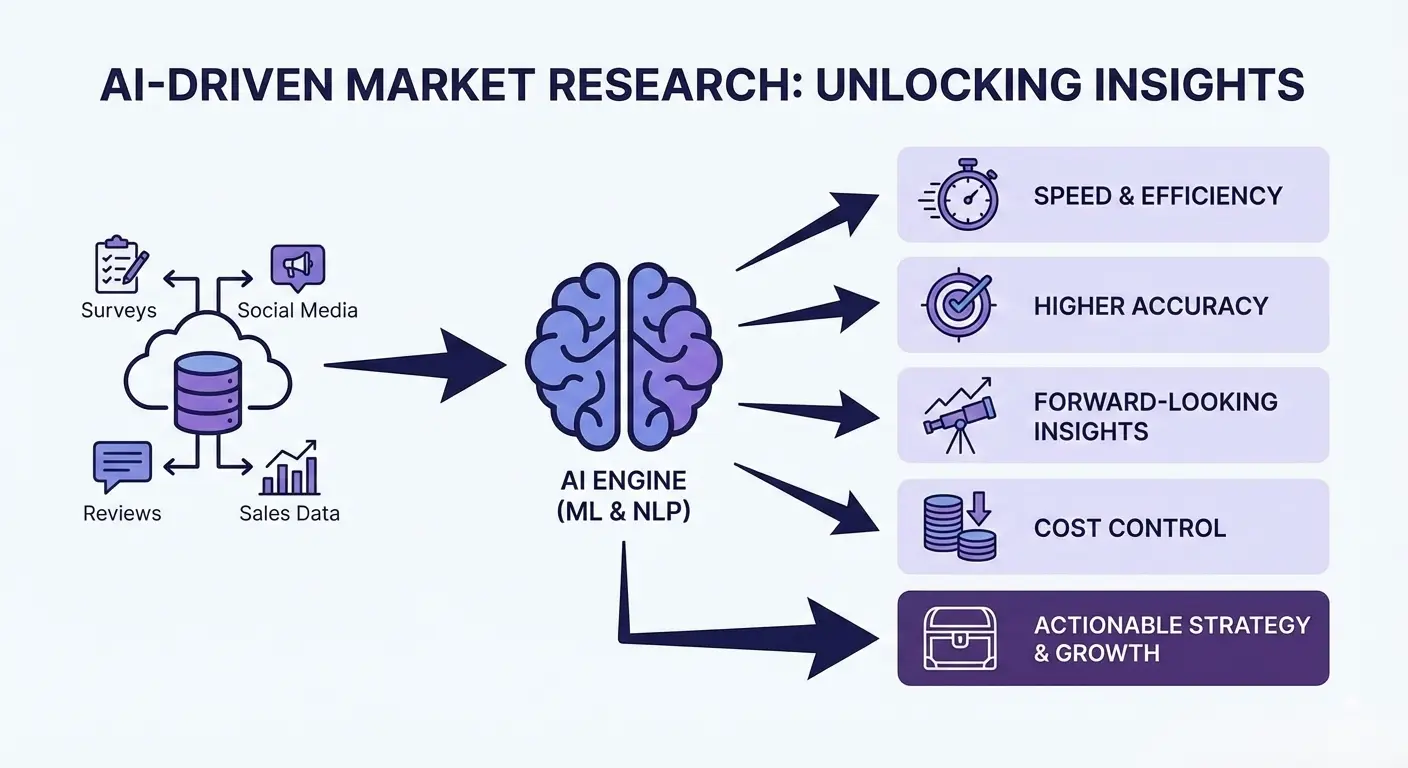
Instead of manually interpreting masses of text data (like reviews, feedback, social posts), AI will reveal patterns faster and with fewer errors. This allows researchers to focus on strategic decisions rather than repetitive tasks.
2. Real-Time Data and Insights Become the Norm
Businesses can no longer wait weeks or months to understand customer sentiment. The pace of change in consumer behavior has accelerated significantly.
Real-time analytics tools will be central to decision-making in 2026. These systems track and analyse data as it flows in — whether it’s customer feedback, social media trends, or usage patterns — empowering teams to act immediately.
3. Consumer Empathy and Emotional Intelligence
Understanding consumer behaviour isn’t just about numbers — it’s about emotions and motivations. In 2026, market research will dig deeper into emotional insights using techniques that go beyond basic sentiment analysis. Advanced models will interpret context, detect emotional cues, and uncover underlying attitudes that influence decisions.
4. First-Party Data Becomes a Strategic Asset
With growing privacy regulations and declining third-party cookie access, first-party data is more valuable than ever. In 2026:
- Organizations will invest in gathering better permission-based customer data.
- Brands will nurture direct relationships through loyalty programs.
- Research strategies will pivot toward quality over quantity.
5. Mobile-First Research Is No Longer Optional
Mobile devices are now the primary gateway for social interaction. Mobile-first research means designing surveys for seamless mobile interaction, using SMS/app channels, and leveraging location data for context-aware research.
6. Voice and Visual Data Integration
Text-based surveys are no longer the only input. The rise of voice assistants and visual storytelling means data formats are evolving. Imagine being able to:
- Analyse customer interviews through voice emotion detection.
- Examine product usage via user-uploaded video feedback.
- Track visual sentiment on social platforms.
7. Ethics and Transparency Are Central
Consumers today are more aware of how their data is used. Ethical research practices — securing explicit consent, being transparent about usage, and ensuring privacy law compliance — are essential for building trust and ensuring reliable data.
8. Collaboration Between Humans and Technology
Despite rapid advances, human expertise remains essential. In 2026, researchers will spend less time gathering data and more time interpreting insights. Technology will act as an assistant, not a substitute. This partnership will unlock the richest insights possible.
Final Thoughts: Be Future-Ready in 2026
Market research is evolving — and those changes won’t slow down. The key to success lies in adopting adaptive, ethical, and technology-assisted practices. By embracing AI, real-time data, and emotional intelligence, organizations will not only understand their audiences better — they’ll anticipate their needs.
Are you ready to ride the market research trends in 2026? If you’re seeking smarter insights and competitive advantage, it’s time to rethink how you approach research.